
How Diesel Flow Meters Improve Fuel Monitoring in Fleet Operations
- Banksia Controls

- Dec 4, 2025
- 4 min read
Fuel has always been a substantial expense in fleet-based operations. Whether vehicles are transporting goods across long routes, handling construction activities on remote sites, or supporting equipment hire fleets, diesel consumption remains one of the most significant resources to manage. When fuel is not monitored accurately, operating costs increase and maintenance planning becomes less precise. This is why diesel flow meters have become a practical solution for businesses wanting a clear understanding of fuel usage. Through consistent measurement at the point of supply or consumption, these meters help improve visibility, budgeting and accountability.

Direct Measurement Creates Reliable Records
Traditional fuel monitoring methods often rely on fuel receipts, manual logs or vehicle mileage calculations. While these records give an estimate, they rarely represent true consumption. Diesel flow meters provide actual measured values, which creates a dependable reference point. For example, if a fleet refuels multiple times a day, every litre dispensed can be recorded. Over time, this creates a traceable record for fuel cost evaluation, maintenance planning and operational breakdowns.
More importantly, direct measurement simplifies tracking during high-activity periods. When several vehicles are being refuelled at the same time, a diesel flow meter gives structured and accountable data rather than rough estimates made after a shift ends.
Fuel Accountability Across the Organisation
Fuel moves through multiple touchpoints from bulk storage to mobile refill tanks and then to individual engines. At each of these stages, losses can occur due to evaporation, spillage, inaccurate measuring or misuse. Many organisations discover discrepancies only at month-end when financial reports do not align with expected fuel usage. Diesel flow meters help trace movement at every stage.
When fuel is delivered to a tank, a meter records the incoming volume. When fuel is dispensed into a vehicle, the meter records that movement again. Even when fuel is transferred between tanks or locations, meters maintain continuity. This eliminates guesswork and provides clarity about what is consumed, what remains in storage, and whether the numbers align with operational demands.
Better Insight Into Equipment Condition
Accurate fuel monitoring plays a big role in identifying equipment performance. When two machines perform the same work yet show different consumption rates, it signals that something requires attention. Sometimes it may be a clogged injector, pressure imbalance, or an air-intake restriction. In other cases, it may relate to engine tuning, driveline resistance or load imbalance.
Diesel flow meters allow these conditions to be recognised before problems escalate. Instead of waiting for performance issues to show through breakdowns, businesses can monitor changes in consumption patterns and schedule maintenance accordingly.
Support for Budget Planning
Fleets typically prepare monthly or annual fuel budgets. Without measured consumption values, budgeting becomes dependent on averages. However, actual usage patterns often vary depending on seasonal workload, road conditions, engine running hours and operating behaviour. Diesel flow measurement provides data that reflects these variations.
For instance, if a fleet runs long-distance deliveries in certain months and local deliveries in others, detailed fuel records help allocate budget accurately. Management teams can forecast peak-usage months, evaluate operating cost per kilometre, and prepare cost projections with better confidence.
Integration With Existing Monitoring Platforms
Across various industrial sectors, technology has transformed how businesses supervise equipment. Modern fleet systems now include GPS tracking, engine monitoring, route planning, driver performance data and service scheduling. Diesel flow meters align well with these systems because their digital or pulse output is easy to connect.
Once connected, fuel usage can be logged automatically in vehicle dashboards and management software. This creates a combined view, where users can see fuel consumed per trip, idle time usage, per-engine usage, long-route efficiency and even operator behaviour trends. It also avoids paperwork because information flows directly into existing records.
Loss Control Through Early Identification
Fuel losses are often not identified instantly. In many operations, losses surface only when fuel shortages occur or when total consumption appears much higher than expected. Diesel flow meters provide continuous readings, which allows unusual patterns to stand out early.
If a storage tank level decreases faster than expected without corresponding supply records, the data points lead to inspection. If a vehicle's engine shows high consumption consistently, maintenance teams look deeper. This immediate reaction helps control wastage, reduces slow leaks, and limits misuse.
Reliable Operation in Real-World Applications
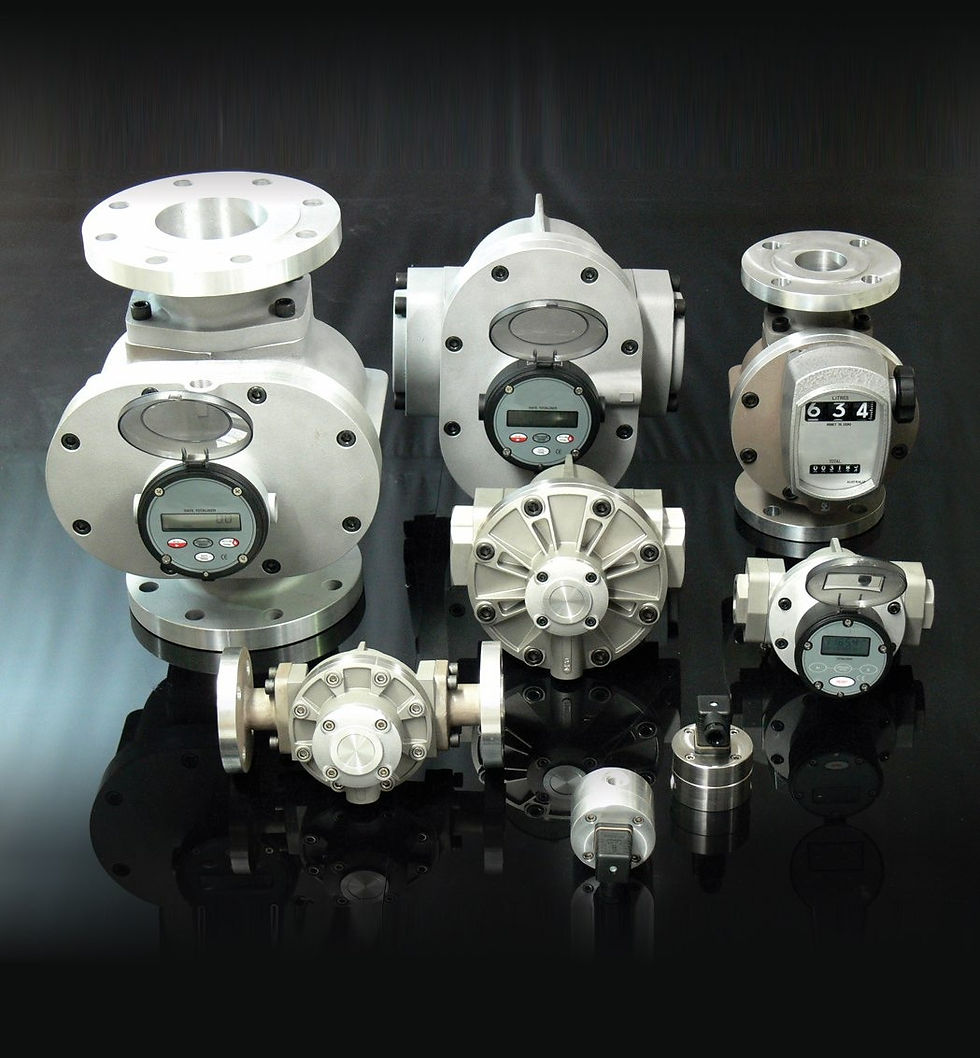
Diesel flow meters used for fleet operations must withstand a wide range of conditions. Fuel quality can vary, temperature shifts occur frequently and equipment often works in dusty or vibrating environments. Well-built meters use suitable body materials, precision bearings and reliable sensing principles to provide continuity of measurement. When positioned correctly in the supply line, diesel flow meters operate consistently across long service periods.
A Real Benefit for Fuel-Dependent Businesses
Industries such as transport, logistics, mining, agriculture, equipment rental, on-site refuelling services and factory operations rely on diesel at large volumes. Accurate tracking becomes essential not just for accounting but also for operational reliability. Diesel flow meters support these daily activities and also create confidence in billing, cost distribution and system reporting.
Final Thought
At Banksia Controls, we assist businesses wanting dependable fuel metering solutions for fleet operations and fixed fuel handling systems. Our focus is on supplying diesel flow meters that offer accurate readings, strong operating life and compatibility with monitoring platforms so that fleet managers have reliable information every single day.


Comments